
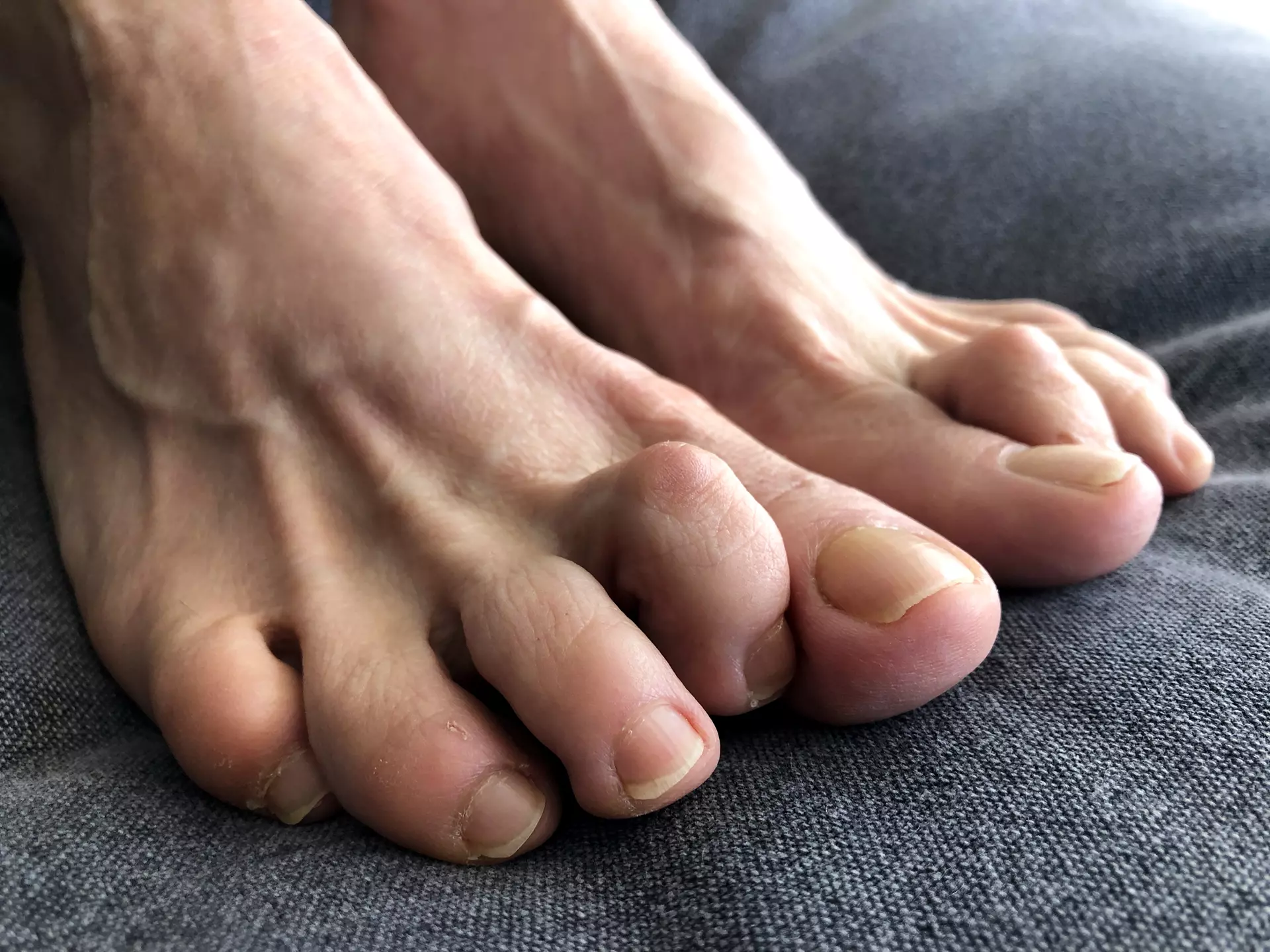
Hammertoe Treatment in Glendale, AZ
Hammertoes are a progressive toe deformity that develops gradually — often so slowly that many patients don’t seek treatment until the condition becomes significantly painful or makes wearing shoes nearly impossible. At Sole Foot & Ankle Specialists, our board-certified podiatrists offer conservative and surgical treatment for hammertoes at every stage of development, helping patients throughout Glendale, Phoenix, Peoria, and Sun City, AZ regain comfort and function.
What Is a Hammertoe?
A hammertoe is a deformity of the second, third, fourth, or fifth toe in which the proximal interphalangeal (PIP) joint bends abnormally downward, giving the toe a claw-like or hammer-shaped appearance. This imbalance between the tendons and muscles that flex and extend the toe causes the joint to buckle and remain in a bent position. Over time, the joint may become rigid and locked in the deformed position.
There are two types of hammertoes based on mobility:
- Flexible hammertoe: The toe can still be straightened manually. This is the early stage of the deformity and the most amenable to conservative treatment.
- Rigid hammertoe: The joint is fixed in the bent position and cannot be manually straightened. This stage typically requires surgical correction.
Hammertoes are often associated with related conditions including bunions, corns, and calluses, as the altered toe position creates friction points that promote thickened skin formation.
Signs and Symptoms of Hammertoes
Hammertoe symptoms can range from mild cosmetic concerns to severely limiting pain. Watch for:
- One or more toes bent downward at the middle joint, creating a claw-like shape
- Pain or irritation on the top of the bent toe where it rubs against the shoe
- Hard corns or calluses developing on the toe knuckle or tip
- Swelling, redness, or inflammation at the affected joint
- Open sores or blisters from friction if footwear is tight
- Difficulty wearing most shoe styles comfortably
- Pain under the ball of the foot from the toe no longer bearing weight normally
What Causes Hammertoes?
Hammertoes develop from a muscle-tendon imbalance that forces the toe joint into a bent position. Contributing factors include:
- Wearing shoes with tight toe boxes, high heels, or inadequate toe depth — the most modifiable risk factor
- Genetic predisposition to certain foot types, such as a second toe longer than the big toe
- Bunions that push the big toe against the second toe, forcing it into a hammered position
- Flat feet or high arches that alter the mechanics of the toes
- Nerve damage from neuropathy or neurological conditions that affect muscle control in the foot
- Previous toe injury or trauma
- Arthritis affecting the toe joints
Hammertoe Treatment Options in Glendale, AZ
The most effective treatment depends on whether the hammertoe is flexible or rigid. Our podiatrists at Sole Foot & Ankle Specialists evaluate your specific deformity and design a personalized plan:
Conservative (Non-Surgical) Treatment
- Footwear modifications: Switching to shoes with a wide, deep toe box that allows the toes to lie flat and reduces friction — this alone can provide significant relief in early cases
- Custom orthotics: Prescription orthotics reduce the muscle-tendon imbalances driving the deformity and redistribute pressure away from the bent toe
- Toe splinting and padding: Silicone toe sleeves, hammer toe straighteners, or moleskin pads to reduce friction and correct alignment in flexible hammertoes
- Stretching exercises: Physical therapy exercises to maintain joint flexibility and strengthen the intrinsic foot muscles
- Corn and callus care: Professional debridement of overlying skin lesions to relieve pressure and discomfort
Surgical Hammertoe Correction
When a hammertoe becomes rigid or conservative treatment fails to provide adequate relief, surgery may be recommended. Modern hammertoe correction is typically a straightforward outpatient procedure performed under local anesthesia. Surgical techniques may include tendon release, joint resection, or fusion, depending on the type and severity of the deformity. Recovery typically involves wearing a surgical shoe for several weeks. See our Foot Surgery page for more information about our surgical approach.
Frequently Asked Questions About Hammertoes
Can a hammertoe be reversed without surgery?
A flexible hammertoe can be controlled and its progression slowed significantly with conservative measures — appropriate footwear, custom orthotics, toe splinting, and stretching. However, once a hammertoe becomes rigid (the joint can no longer be straightened manually), conservative care can only manage symptoms, not correct the deformity. Surgical correction is the only way to permanently straighten a rigid hammertoe.
How do I know if my hammertoe needs surgery?
Surgical intervention is typically considered when a hammertoe causes persistent pain that does not respond to conservative treatment, when the joint becomes rigid and immobile, when corns or calluses cause recurring open sores, or when the deformity significantly limits daily activity and footwear choices. Our podiatrists assess the severity of your deformity and discuss all options before any surgical recommendation is made.
Are hammertoes hereditary?
There is a genetic component to hammertoe development — certain foot structures, such as a longer second toe or specific arch heights, make the development of hammertoes more likely. However, footwear choices play a major role in whether a genetically predisposed person actually develops a symptomatic hammertoe. Wearing appropriate shoes and using orthotics early can significantly reduce the impact of genetic risk.
Can hammertoes affect the big toe?
True hammertoes affect the lesser toes (second through fifth). A similar deformity can affect the big toe — called hallux malleus or a cocked-up hallux — but this is less common and has a slightly different treatment approach. What commonly affects the big toe is hallux rigidus (arthritic stiffening) or hallux valgus (bunion). A podiatric evaluation will determine the exact nature and appropriate treatment of any toe deformity.
Will wearing better shoes fix my hammertoe?
Improved footwear can significantly relieve symptoms and slow the progression of a flexible hammertoe, especially in the early stages. However, it will not reverse an existing structural deformity. Shoes with wide, deep toe boxes reduce the mechanical forces that worsen hammertoes, making them a crucial part of any treatment plan. In combination with orthotics and toe exercises, appropriate footwear can maintain function and delay or prevent the need for surgery in many patients.
Is hammertoe surgery painful?
Hammertoe surgery is performed under local anesthesia and is well-tolerated. Post-operative discomfort is typically mild to moderate and managed with over-the-counter pain medication. Most patients can walk in a surgical shoe immediately after surgery. The majority of swelling and discomfort resolves within 4 to 6 weeks, with full recovery in 2 to 3 months depending on the procedure. Our surgical team provides thorough pre- and post-operative instructions to minimize discomfort and optimize your recovery.
What happens if I leave a hammertoe untreated?
Without treatment, a flexible hammertoe will progressively stiffen into a rigid deformity that is only correctable with surgery. The associated corns and calluses can become chronic open sores, particularly problematic for diabetic patients. Adjacent toes may be pushed out of alignment. Altered gait mechanics can lead to pain in the ball of the foot, ankle, and knee. Early intervention produces the best outcomes and the widest range of treatment options.